
Homage
Tribute
to Miyoshi
composer
akira miyoshi
(1933 – 2013)
Biography
Akira Miyoshi, born in Tokyo, had piano and composition lessons from an early age, and on entering primary school studied the violin with Kozaburo Hirai. In 1951 he entered the Department of French Literature at Tokyo University. As a student he was awarded first prize in the 22nd Japan Music Competition in 1953 for Sonata and won several other awards at this time. Miyoshi went to France in 1955 to study composition at the Conservatoire National Supérieur de Musique, Paris, studying with Henri Challan and Raymond Gallois Montblanc. He was strongly influenced during these years by the work of Henri Dutillieux.
Following his return to Tokyo in 1957, he continued studies at Tokyo University, graduating in 1960. In the next few years he composed symphonic and orchestral works, songs and choral music. From 1974 to 1995 he was president of Toho Gakuen University, becoming a member of the Japanese Academy of Arts in 1999, the same year as he presented his first opera. In November 2001, Akira Miyoshi was honored with the Cultural Merits Award.
The Album
Tribute to Miyoshi
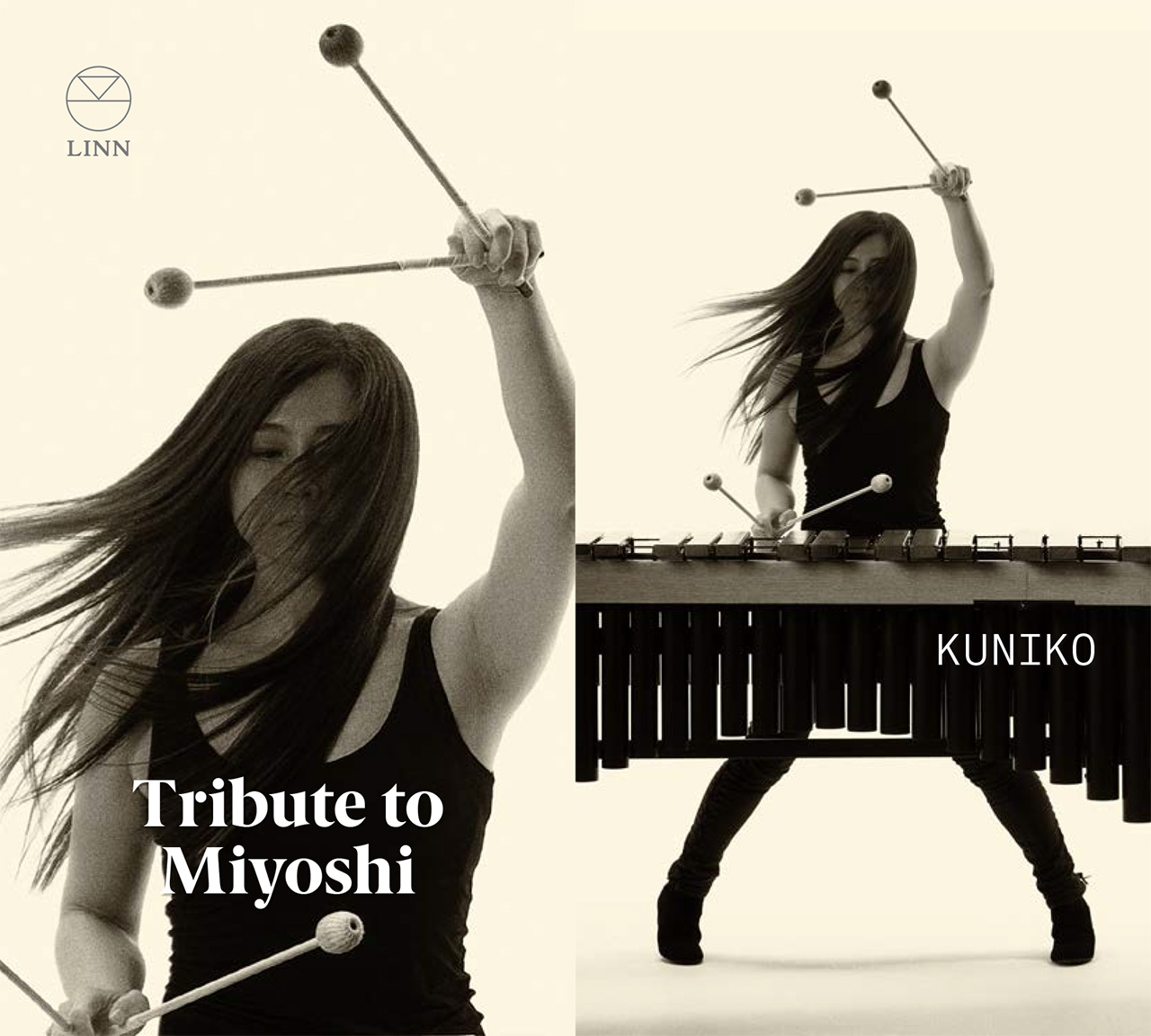
Tribute to Miyoshi
The same titled album is globally-released on Sept. 25, 2020 (tbd.) from LINN Records as the 6th album between Kuniko & LINN. The concert is the live performance version of the album “Tribute to Miyoshi”.
- SUITE CONVERSATION for Marimba (1962)
- TORSE lll for Marimba (1968)
- SIX PRELUDE ETUDES for Marimba (2001)
- RIPPLE for Solo Marimba (1999)
- CONCERTO for marimba and string ensemble (1969)
See photo images from the Concerto recording sessions in RSNO, Glasgow, Scotland with Scottish Ensemble.
tribute to miyoshi
Concert Program
The concert features Akira Miyoshi’s solo marimba works from the 1960s to the his last work in 2001. The program includes all works composed for marimba solo and unpublished etude and a marimba concerto with string ensemble.
As Miyoshi is one othe most important composers from Japan along with Takemitsu, etc.. His composition styles vary from time to time, however the characteristics of wide range harmony evoking the poetic elegance, the emotions and the sharper rhythms are strongly expressed. His influence on the Japanese composers of the later stage is immeasurable.
Conversation – Suite for marimba (1962)
- Tender Talk
- So Nice It Was…Repeatedly
- Lingering Chagrin
- Again The Hazy Answer!
- A Lame Excuse
Torse III for marimba (1965)
- These
- Chant
- Commentaire
- Synthese
Ripple for solo marimba (1999)
Concerto for marimba & string ensemble (1969)
Six Prelude Etudes for marimba (2001) *
- Scale
- Harmony
- Contrapuntal form
- Chromatic scale
- Double chords
- Beat of the same sound [octave]
Remarks:
Above program duration will be 90+min.. Conversation, Torse, Ripple and the etude are a solo marimba piece. * the etude consists of 6 small pieces and its duration is approx. 15min. This piece can be excluded from the program as well to make the concert within 70-75min program without an intermission.
& Addition:
Concerto for violin and orchestra (1965) is something Kuniko suggests if the string ensemble can work on this piece as an option. This is a concerto for violin and string orchestra.
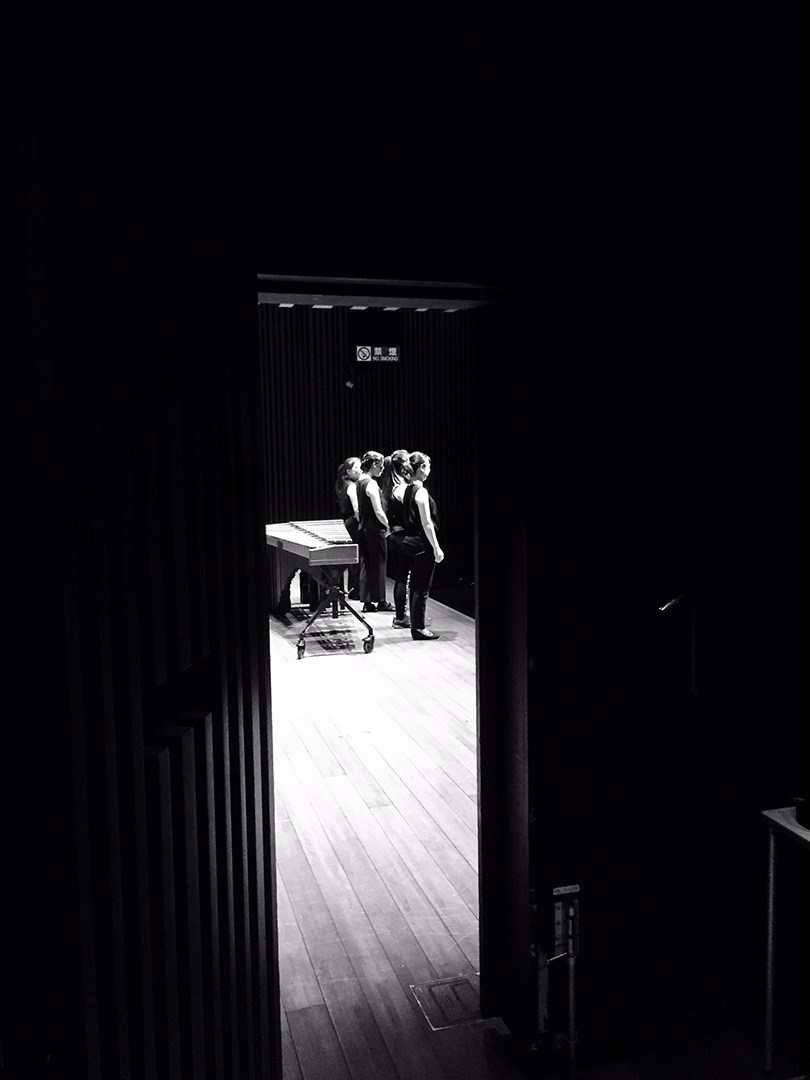
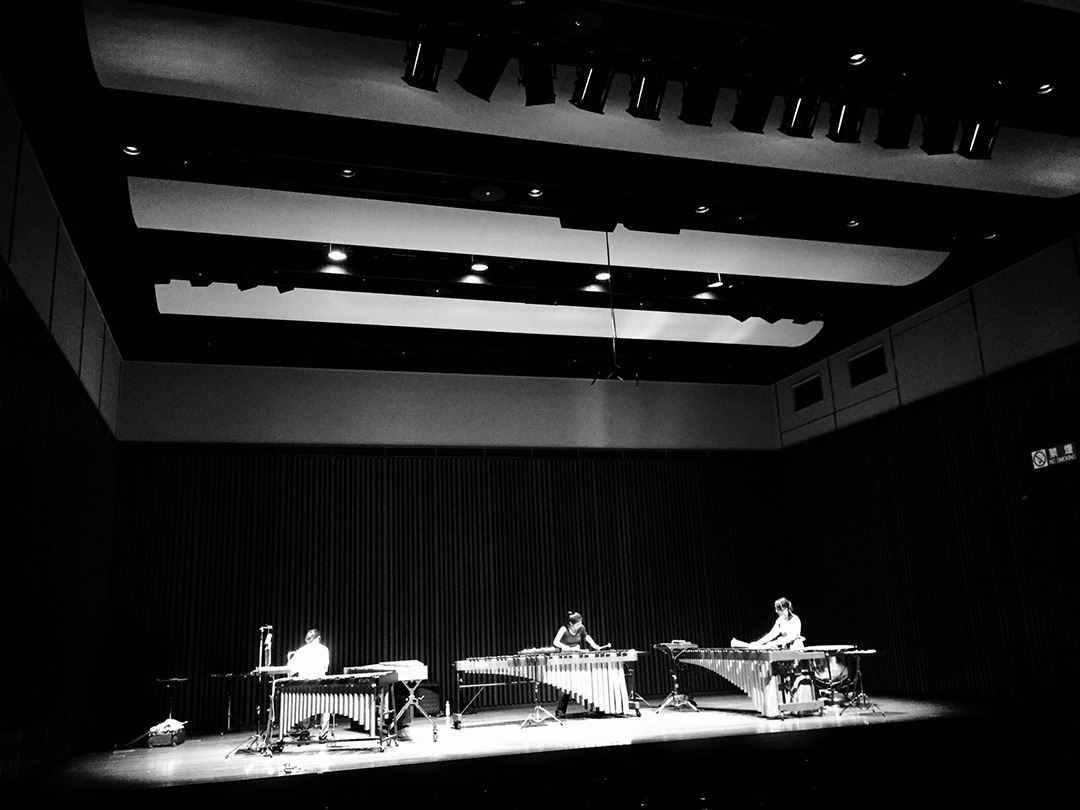
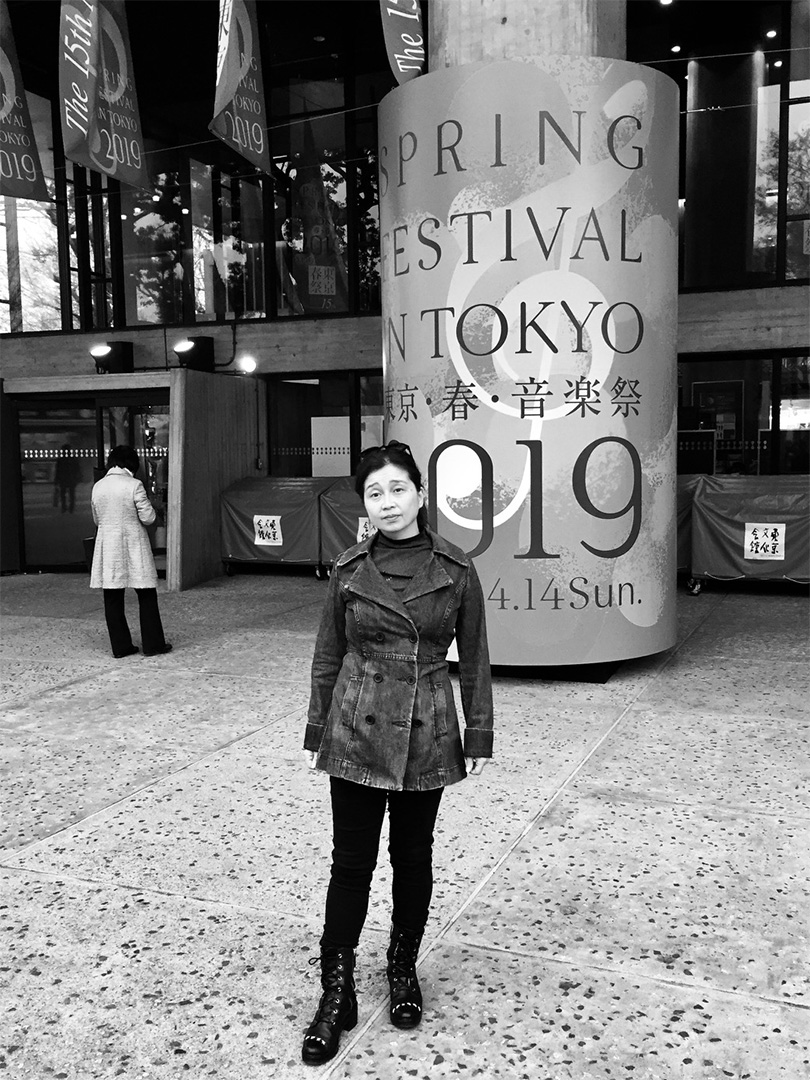
Spring Festival in Tokyo
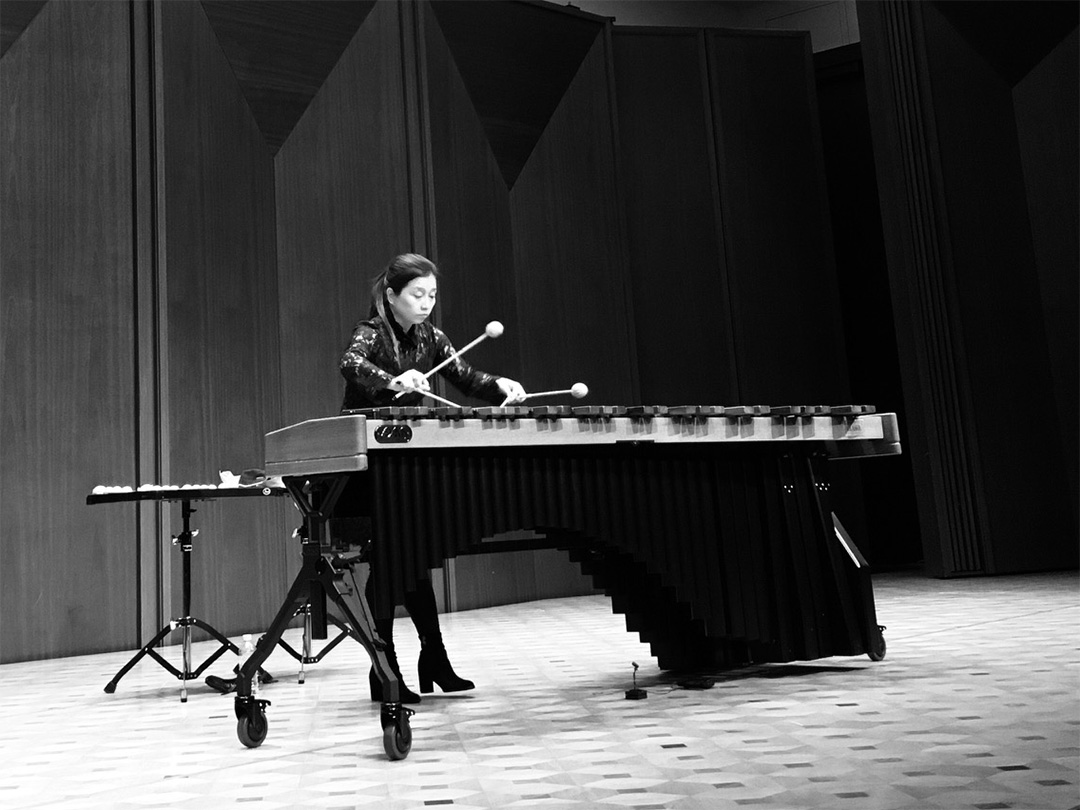
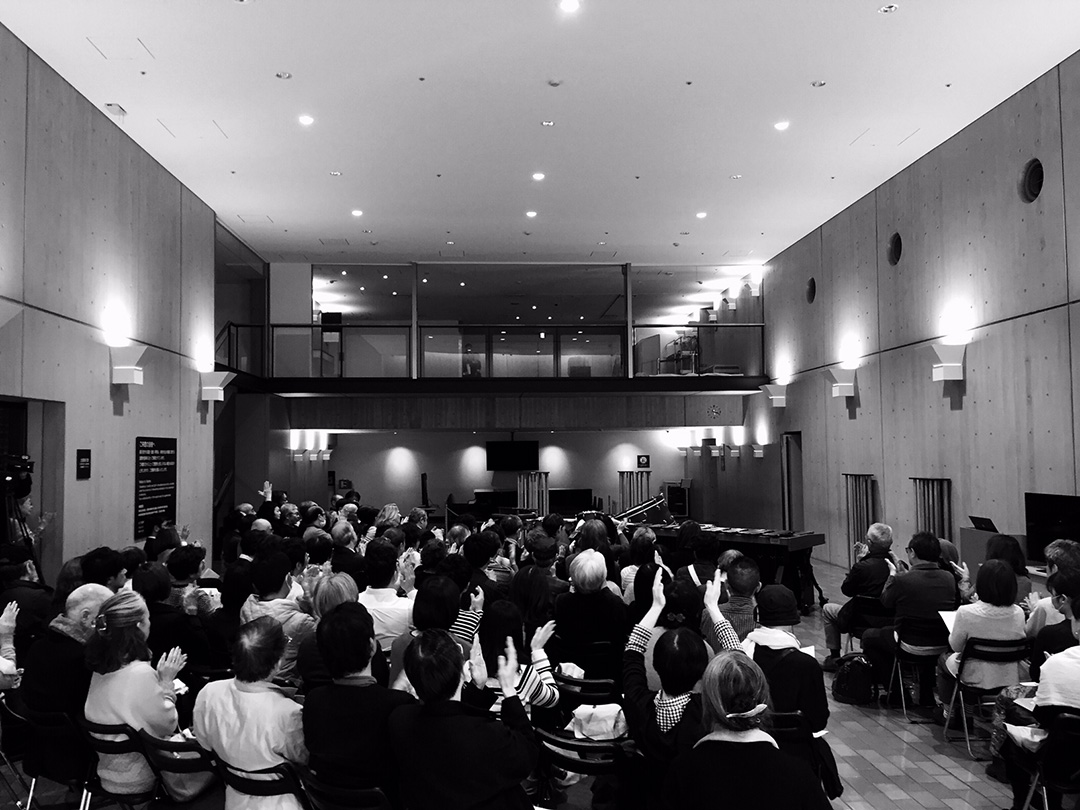
From The Concert
The National Museum of Western Art, Tokyo, Japan
The world of Akira MIyoshi
Concert & Review
Suginami Public Hall, Tokyo
Concerts & Album
Review
Coloriste raffinée, la jeune Kuniko y apparaît comme la digne héritière de la légendaire Keiko Abe pour laquelle la plupart de ces partitions ont été écrites.
作品が演奏を拓く。
演奏が作品を拓く。